The Vancouver Housing Market: Trends, Insights, and What You Need to Know
Vancouver has long been known for its stunning natural beauty, diverse culture, and high quality of life. However, it is also one of the most expensive real estate markets in Canada and the world. Whether you’re looking to buy, sell, or simply understand the dynamics of the Vancouver housing market, there are several key factors to consider. This article takes a closer look at the current trends, challenges, and insights you need to know about the Vancouver housing market.
A Growing Demand for Housing
The Vancouver housing market has experienced significant growth over the past few decades, driven by a combination of factors including immigration, a strong economy, and limited land supply. Vancouver’s appeal as a global city with strong international ties, particularly to the Asia-Pacific region, has only added to the demand for housing. The city’s population continues to rise, and with it, the need for both residential and commercial spaces.
High Prices and Affordability Issues
One of the most prominent features of Vancouver’s housing market is its high cost. The city consistently ranks as one of the least affordable in the world. According to recent data, the average price for a detached home in Vancouver can easily exceed $1 million, while condos and townhouses may also see prices in the high hundreds of thousands or even over a million dollars.
This level of pricing has made homeownership increasingly out of reach for many residents, especially first-time buyers. In recent years, Vancouver has seen a rise in the rental market as more people turn to leasing rather than owning. However, rental prices have also been climbing, further adding to the city’s affordability challenges.
Government Intervention and Cooling Measures
In response to rising housing prices and concerns over affordability, both provincial and federal governments have implemented various policies aimed at cooling the market. Measures such as the foreign buyers tax, speculation and vacancy tax, and stricter mortgage regulations have been introduced in an attempt to curb speculative investments and slow the rapid increase in home prices.
While these measures have had some success in slowing down the market, Vancouver’s real estate prices remain high by most standards. The challenge lies in balancing the need for affordable housing with the desire to maintain a thriving real estate market that benefits developers, investors, and homeowners alike.
Shifting Trends: Condos, Townhouses, and Luxury Markets
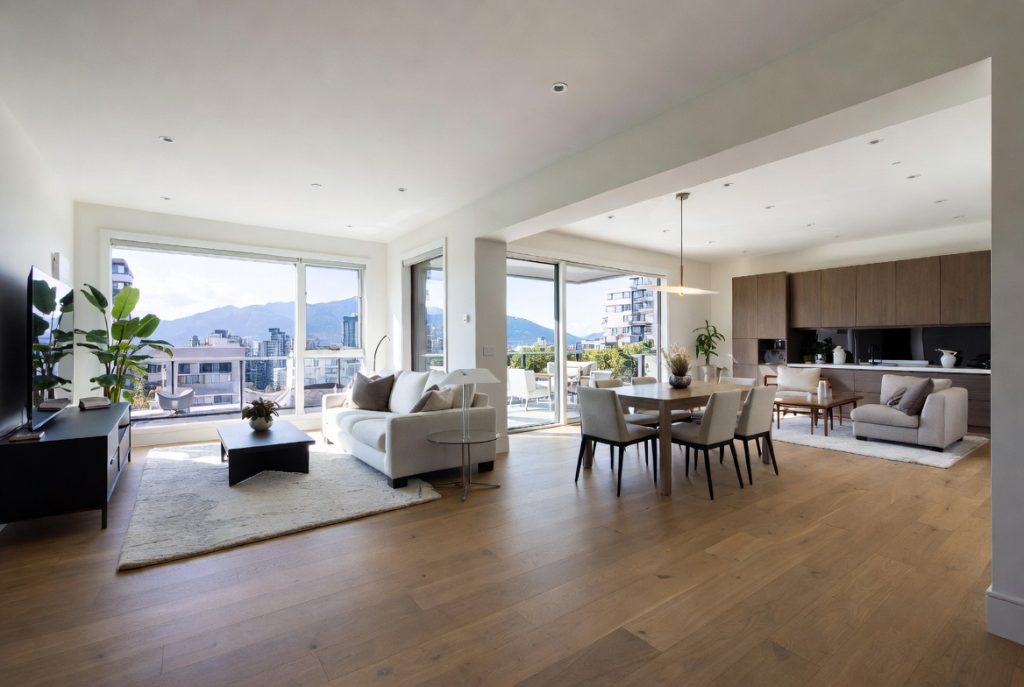
While detached homes have traditionally been the most sought-after property type in Vancouver, there has been a shift toward condos and townhouses in recent years. As more people look for affordable alternatives to single-family homes, particularly in Vancouver’s more densely populated neighborhoods, the demand for condos and townhouses has risen. These properties are more affordable than detached homes and offer the benefits of urban living with access to amenities, public transportation, and vibrant communities.
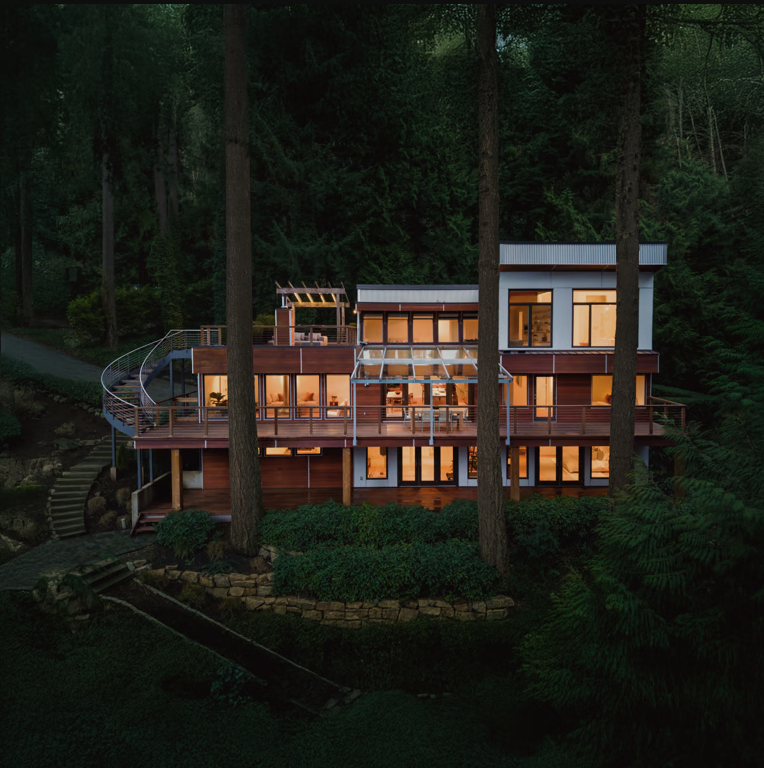
At the same time, Vancouver’s luxury housing market remains strong. The city has seen a continued interest in high-end homes, especially in prime areas like West Vancouver, Coal Harbour, and the British Properties. Vancouver’s status as an international hub for business and tourism has attracted wealthy investors and buyers looking for luxury properties, further driving the demand in this segment of the market.
Sustainability and Green Building Trends
Sustainability is a growing trend in the Vancouver housing market, as both buyers and developers are placing increasing importance on environmentally friendly and energy-efficient homes. Vancouver is one of Canada’s most environmentally conscious cities, and this is reflected in its real estate market. New developments are often designed with green building standards, incorporating energy-efficient technologies, sustainable materials, and eco-friendly features like green roofs, solar panels, and electric vehicle charging stations.
Many buyers today are prioritizing sustainability when making purchasing decisions, and this trend is expected to continue as the city moves toward its goal of becoming the greenest city in the world.
What the Future Holds for Vancouver’s Housing Market
Looking ahead, the future of Vancouver’s housing market remains uncertain. While housing prices have stabilized somewhat in recent months, the long-term outlook is shaped by several factors, including government policies, interest rates, population growth, and international demand.
The ongoing shortage of housing supply continues to be a major issue in Vancouver. With limited land for new development and a growing population, finding affordable housing remains a challenge for many. However, with increasing efforts toward urban density and sustainable development, there may be more opportunities for affordable housing in the future.
Conclusion
The Vancouver housing market is a complex and ever-evolving landscape. With its high demand, limited supply, and government interventions, it continues to be one of the most expensive markets in Canada and the world. Whether you’re looking to buy, rent, or invest, understanding the trends and challenges that define this market is crucial to making informed decisions.
As a new homeowner or investor, it’s essential to stay updated on local regulations, market trends, and opportunities. Consulting with a knowledgeable real estate professional can also provide valuable insights and guidance as you navigate the Vancouver housing market.