Custom Home Builders and Affordable Housing Developers: Sustainable Solutions for Canada’s 2026 Housing Crisis
Canada’s housing market remains under pressure in 2026. With ongoing supply shortages and affordability challenges, the need for innovative, sustainable approaches has never been greater. Forward-thinking custom home builders and affordable housing developers are stepping up, blending high-quality construction techniques with scalable, community-focused models to deliver lasting results.
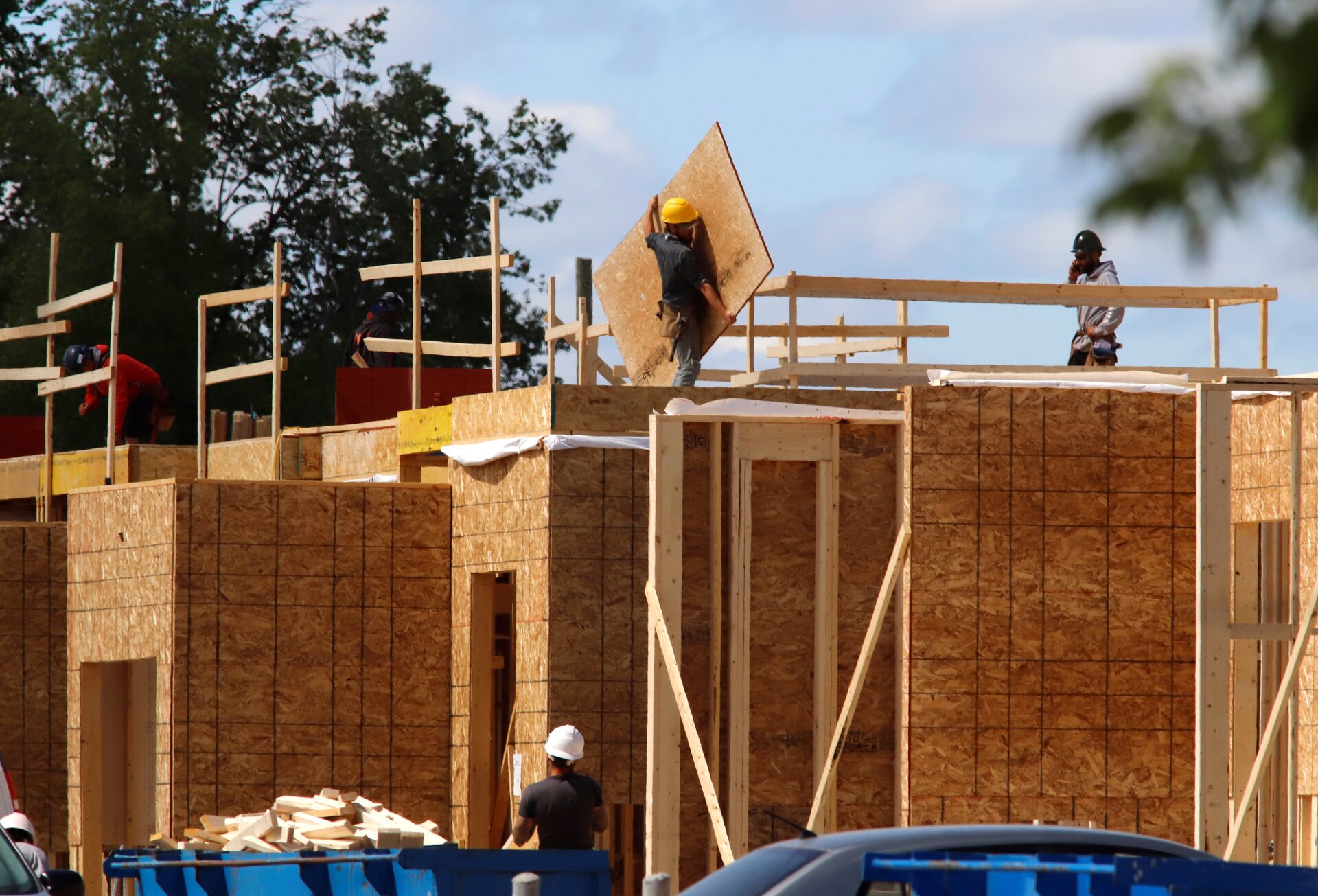
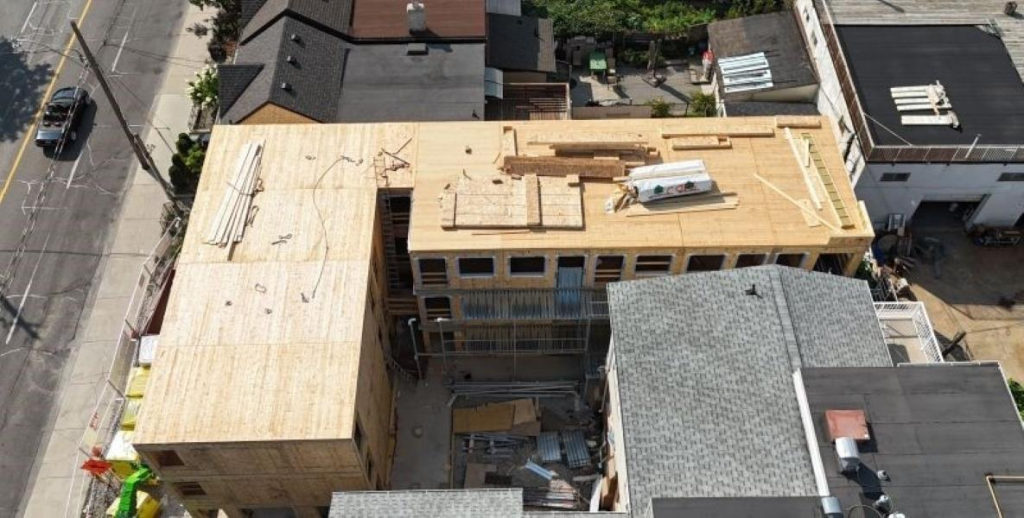
Above: Modern wood-frame construction in Canada highlights the sustainable materials now standard in both custom and affordable projects.
Understanding Canada’s Housing Challenges in 2026
Recent data paints a clear picture. Housing starts rose modestly in 2025 but are projected to decline through 2026–2028 due to high construction costs, tighter financing, and softer demand. The country still needs 430,000 to 480,000 new homes annually through 2035 to close the supply gap.
Affordability has improved slightly this year thanks to lower interest rates and policy adjustments, but core housing need affects nearly 1.5 million households, and homelessness continues to rise. In British Columbia, where demand is especially acute, governments are responding with initiatives like Bill C-26, which allocates $1.7 billion to boost supply, including deeply affordable and supportive housing.
The solution lies not in volume alone, but in smarter, more sustainable building methods that reduce long-term costs and environmental impact.
The Power of Sustainable Custom Home Building
Custom home builders have long set the standard for quality, durability, and personalization. In 2026, sustainability is no longer optional—it’s foundational. Leaders in the field prioritize eco-friendly materials, energy-efficient systems, and designs that lower lifetime operating costs while enhancing resident comfort.
For example, Orcado Group Inc. exemplifies this approach in British Columbia. Their projects emphasize premium, locally sourced materials, advanced insulation, and partnerships with brands like Weyerhaeuser for strong, sustainable framing and Rinnai for efficient plumbing solutions. By focusing on transparent pricing, clear communication, and resilient construction standards, Orcado delivers custom homes that stand the test of time. These qualities directly translate to more affordable, lower-maintenance housing stock.
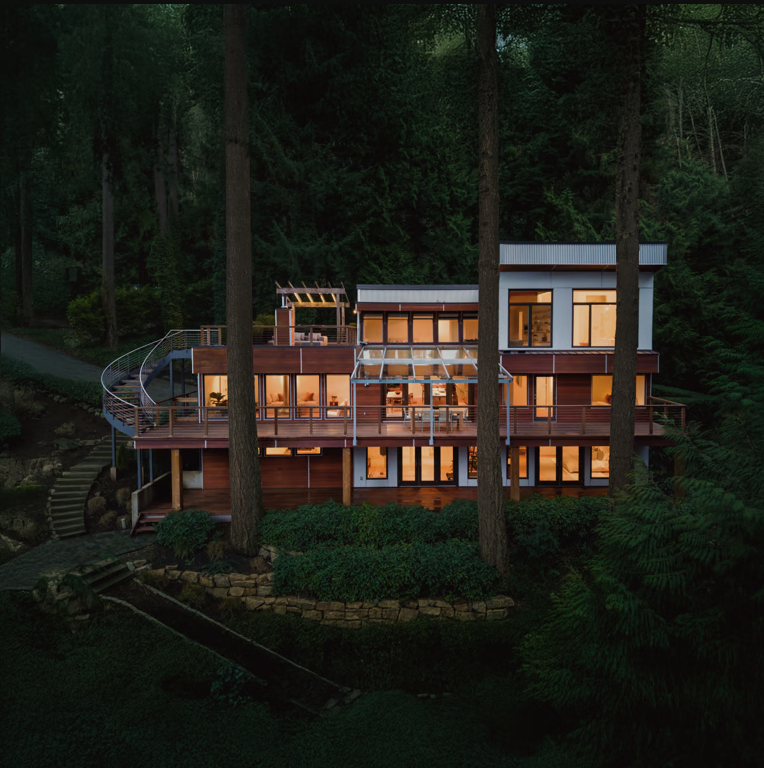
Above: A stunning sustainable custom home in a wooded BC setting showcases the warmth and longevity possible with high-quality, eco-friendly construction.
Key 2026 trends in custom building include:
- Reclaimed and Canadian-sourced materials to cut transport emissions and support local economies.
- High-performance envelopes with superior insulation and passive solar design.
- Integrated smart systems for energy monitoring and efficiency.
- Biophilic elements that improve occupant well-being while reducing reliance on mechanical systems.
These practices not only appeal to individual homeowners but also offer proven pathways for scaling down costs in multi-unit and supportive housing projects.
Affordable Housing Developers Leading with Scalable Innovation
On the other side of the spectrum, non-profit affordable housing developers focus on accessibility, community integration, and rapid deployment. Organizations like Anhart Community Housing are delivering thousands of dignified homes nationwide through modular construction, hotel conversions, and transitional housing continuums.
Anhart’s model—rooted in patient capital and local partnerships—has already transformed properties in Vancouver, Winnipeg, and beyond into safe, modern micro-suites and family homes. Their emphasis on modular solutions enables faster build times and lower costs without sacrificing quality, directly addressing the 2026 supply crunch.
Above: Prefab modular construction in action. This is a cost-effective, sustainable method now bridging custom expertise with affordable housing needs across Canada.
By 2045, Anhart aims to help deliver 20,000 affordable homes, proving that “small, trusted collaborations” can achieve big systemic change.
Synergies: Where Custom Expertise Meets Affordable Scale
The real opportunity in 2026 lies in collaboration. Custom builders bring deep knowledge of high-performance materials and craftsmanship; affordable developers bring community insight, financing models, and rapid-deployment expertise. Together, they can:
- Adapt custom sustainable techniques (e.g., advanced framing and reclaimed materials) for modular affordable units.
- Incorporate energy-efficient systems that reduce tenant utility bills and operating costs for non-profits.
- Design mixed-use communities that combine market-rate custom homes with deeply affordable options.
- Leverage local supply chains to support Canadian jobs while meeting green-building standards.
These partnerships align perfectly with federal and provincial goals, including new funding streams for innovative housing. The result? Faster, greener, and more resilient communities that serve both working families and individual homeowners.
Looking Ahead: Actionable Steps for Developers and Homeowners
As housing starts moderate in 2026, now is the time to prioritize sustainability and collaboration. Whether you’re a homeowner seeking a custom build, a municipality exploring partnerships, or an investor interested in impact-driven projects, the industry is shifting toward solutions that last.
Explore custom home building excellence at Orcado Group → https://orcado.ca/
Learn about national affordable housing leadership at Anhart → https://anhart.ca/
By combining the strengths of custom craftsmanship and scalable non-profit development, Canada can build not just more homes—but better, more sustainable communities for generations to come.
Ready to get involved? Contact Orcado for your next custom or renovation project, or reach out to Anhart to discuss partnership opportunities in affordable housing development.